Putin Condemns US Iran Strikes, Warns of Impending "Radiological Catastrophe"
In a stark warning echoing across global capitals, Russian President Vladimir Putin has vehemently condemned recent US military strikes against Iranian nuclear sites, describing them as an "unprovoked act of aggression." The Kremlin’s powerful rhetoric extends beyond mere diplomatic censure, with official statements cautioning that such actions push the Middle East to the precipice of a "radiological catastrophe," alongside humanitarian and economic crises. This severe denouncement underscores the escalating tensions between major global powers over the volatile
Iran-US conflict, highlighting Russia’s firm stance and its deep-seated concerns regarding regional stability.
The strikes, reportedly carried out by the US using potent 30,000-pound 'bunker-buster' bombs against critical Iranian nuclear facilities at Fordow, Natanz, and Isfahan, have dramatically intensified an already fraught situation. US President Donald Trump lauded these operations as "very successful," yet they have thrust the United States directly into the ongoing proxy conflicts involving Israel and Iran, fueling fears of an all-out regional war. For Moscow, these aggressive acts represent a dangerous disregard for international law and a deliberate attempt to destabilize a sovereign nation, cementing the critical role of the
putin iran konflikt in current geopolitical dynamics.
The Kremlin's Dire Warning: A "Radiological Catastrophe" on the Horizon
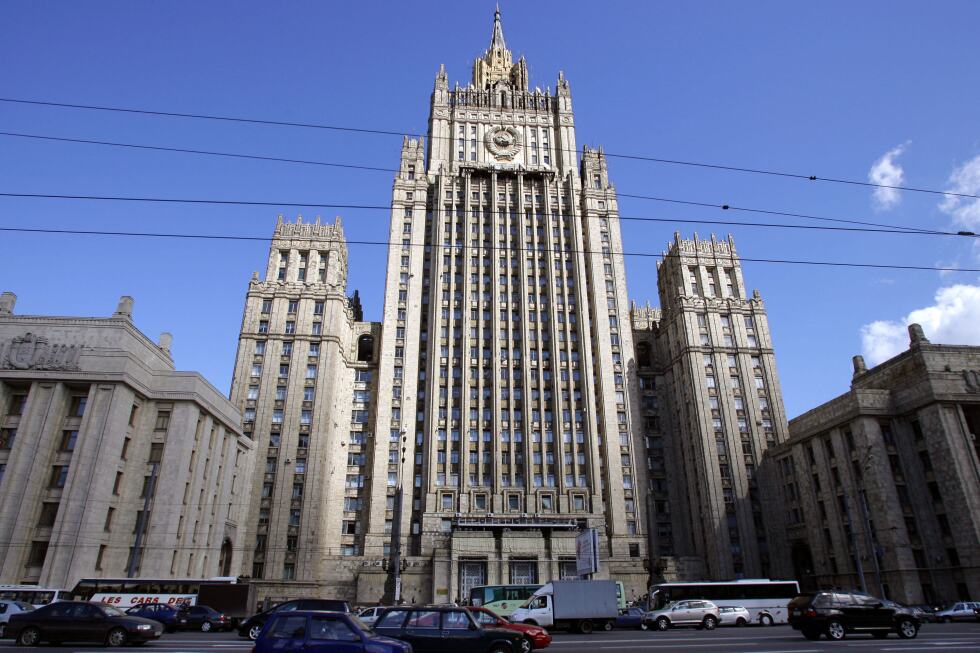
The Russian Foreign Ministry in Moscow did not mince words in its condemnation, declaring that Washington and Tel Aviv had "once again launched a dangerous adventure." This adventure, according to the ministry, is rapidly drawing the region toward the brink of not only humanitarian and economic disaster but also, chillingly, a "radiological catastrophe." This potent term speaks volumes about Russia's profound anxiety over the targeting of nuclear infrastructure, even if Iran maintains its program is purely for peaceful purposes.
Targeting nuclear sites, regardless of their stated intent, inherently carries immense risks. A direct hit with powerful ordnance could compromise containment structures, potentially releasing radioactive materials into the atmosphere. Such an event would not only have devastating immediate consequences for human life and the environment but could also render vast swathes of land uninhabitable, leading to long-term health crises, mass displacement, and profound socio-economic disruption across the region. The Kremlin's warning serves as a stark reminder of the unprecedented dangers inherent in military actions involving nuclear-related facilities, urging global leaders to consider the far-reaching and irreversible implications of such strikes. From Moscow's perspective, this isn't merely about geopolitical chess; it's about averting an environmental and public health disaster that could transcend borders and endure for generations.
Unpacking the "Unprovoked Aggression": Russia's Vehement Stance
President Putin himself, in his initial remarks on the military action, characterized the US strikes as an "absolutely unprovoked act of aggression against Iran; it has no basis or justification." This strong language underscores Russia's consistent foreign policy stance against what it perceives as unilateral interventions and attempts at regime change, particularly in strategically vital regions. Russia views such actions as a direct challenge to the international rule of law and the principle of national sovereignty.
Adding to the Kremlin's chorus of disapproval, former Russian President Dmitry Medvedev, a close confidant of Putin and currently Deputy Chairman of Russia's Security Council, unleashed sharp criticism against the US administration. Writing on Telegram, Medvedev asserted that US President Donald Trump had "once more shown his true face," dismissing previous diplomatic engagements with Iran as mere "cover-ups." He lambasted the US for allegedly having no genuine interest in substantive negotiations, instead pursuing an agenda aimed at dismantling the "constitutional order" and government of a nation unwilling to bend to its "dictate of violence and hegemonism."
These statements reveal a deep-seated suspicion within the Kremlin regarding US motives, suggesting that Washington's objectives extend beyond containing Iran's nuclear program to a broader strategy of destabilization and regime change. Russia’s historical ties with Iran, coupled with its own geopolitical interests in the Middle East, position it as a staunch opponent of such perceived Western overreach. The
putin iran konflikt narrative is therefore not just about Tehran; it reflects Moscow's broader challenge to a unipolar world order dominated by American influence.
The Broader Implications: Regional Instability and Global Ramifications
The US strikes have ignited renewed fears of an all-encompassing regional conflict, drawing in multiple actors and potentially triggering a chain reaction of retaliation and counter-retaliation. The Middle East, already a crucible of complex proxy wars and deep-seated rivalries, stands at a precarious juncture. The direct involvement of the United States in what was largely perceived as an Israel-Iran standoff significantly escalates the stakes, transforming a regional dispute into a potential international flashpoint.
Iran, for its part, has been systematically escalating its nuclear activities in recent years, notably increasing uranium enrichment levels to 60 percent purity—a technical step alarmingly close to the 90 percent required for weapons-grade material. Simultaneously, Tehran has curtailed international access to its nuclear facilities, raising global concerns about its intentions. This trajectory adds another layer of complexity to the crisis, as any military action risks further pushing Iran towards full nuclear breakout capabilities or, conversely, provoking a desperate response.
The gravity of the situation is further highlighted by diplomatic advisories from Russian embassies. The Russian Embassy in Tehran urged its citizens to depart Iran if possible, recommending vigilance and avoidance of military and government installations. Concurrently, the Russian Embassy in Tel Aviv issued similar advice to Russian nationals in Israel, urging them to leave "until the situation normalizes" and to follow Israeli security directives if they choose to remain. Such calls for evacuation underscore the tangible and immediate threat of widespread conflict, signaling that regional instability is no longer a theoretical concern but an imminent reality for those on the ground.
Russia's Role and Call for De-escalation: Navigating the putin iran konflikt
Amidst this escalating crisis, Russia has positioned itself as a crucial diplomatic player, actively making efforts to "provide assistance to the Iranian people" and support Tehran. Iranian officials, including Foreign Minister Abbas Araghchi, have openly appealed for Putin's help. During a meeting with the Russian President, Araghchi emphasized that Iran and Russia have consistently shared "concerns, worries, and adversaries," highlighting a strategic alignment that dates back decades.
Russia's support for Iran is multifaceted. Diplomatically, Moscow consistently advocates for de-escalation, adherence to international law, and negotiated solutions, vehemently opposing unilateral military actions. Economically, Russia could potentially offer aid or trade agreements to help Iran circumvent international sanctions, bolstering its resilience against external pressure. Furthermore, in terms of security, Russia has historically supplied advanced defense systems to regional allies, which could be a factor in strengthening Iran's defensive capabilities, though specifics remain speculative.
To avert a catastrophic escalation, the international community, including Russia, must prioritize diplomatic channels and multilateral engagement. Practical steps include:
- Re-establishing Dialogue: Urgent efforts to open direct or indirect communication channels between all parties involved, including the US, Iran, and Israel.
- Respect for Sovereignty: Upholding the principles of national sovereignty and non-interference in internal affairs, as repeatedly emphasized by Russia.
- International Oversight: Strengthening the role of international bodies like the IAEA in monitoring Iran's nuclear program to build trust and ensure peaceful intent.
- Regional Security Dialogue: Initiating broader regional security talks involving all stakeholders to address underlying grievances and foster collective security mechanisms.
- De-escalation Measures: Implementing clear de-escalation steps, such as temporary ceasefires or cessation of provocative military drills, to reduce the immediate risk of conflict.
Russia's active involvement aims not only to protect its geopolitical interests but also to prevent the Middle East from plunging into a conflict with devastating global consequences. The complexities of the
putin iran konflikt demand a concerted and cautious approach from all international actors to navigate these treacherous waters.
Conclusion
The recent US strikes on Iranian nuclear sites have been met with an unequivocal condemnation from Russian President Vladimir Putin and the Kremlin, who warn of a potential "radiological catastrophe" and regional destabilization. Russia views these actions as "unprovoked aggression" aimed at undermining Iran's sovereignty and has pledged its support to Tehran, urging de-escalation and a return to diplomacy. The specter of widespread conflict, exacerbated by Iran's escalating nuclear activities and the direct involvement of major powers, casts a long shadow over the Middle East. As tensions mount, the international community faces a critical challenge: to engage in concerted diplomatic efforts, respect international law, and pursue peaceful resolutions to avert a humanitarian and environmental disaster of unprecedented scale, making the
putin iran konflikt a focal point of global concern.