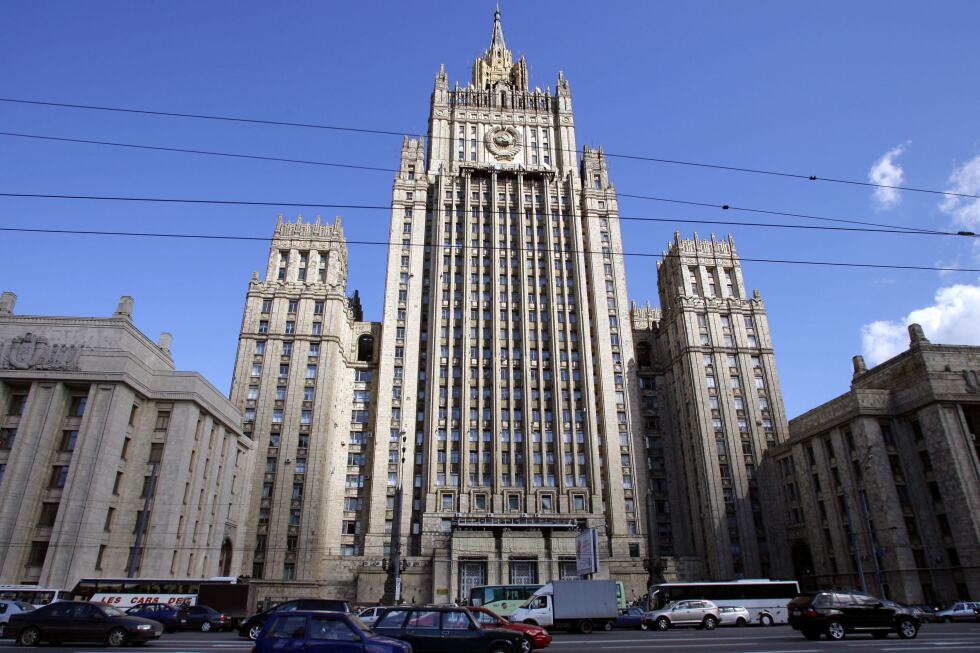
Kremlin's Fiery Condemnation: Accusations of Destabilization and Catastrophe in the putin iran konflikt
The geopolitical landscape surrounding Iran has grown increasingly volatile, drawing stern rebukes from Moscow as the
putin iran konflikt intensifies. Russia, through its top officials including President Vladimir Putin and former President Dmitry Medvedev, has vociferously accused the United States and Israel of orchestrating a deliberate campaign to destabilize Iran's governmental order. These accusations follow a series of military actions and rhetoric that Moscow views as a direct challenge to international law and regional stability, raising fears of a wider humanitarian and environmental disaster.
President Putin himself wasted no time in condemning the U.S. strikes on Iran as an "absolutely unprovoked act of aggression" that lacked any basis or justification. Speaking with Iran's Foreign Minister Abbas Araghchi, Putin underscored Russia's commitment to "providing assistance to the Iranian people." This strong stance from the Kremlin signals a deepening commitment to its strategic ally in the Middle East, even as tensions with Western powers reach new heights.
Beyond the immediate military actions, Putin's rhetoric has been particularly cutting. In a separate statement reported by Reuters, referencing Russia's TASS news agency, Putin described the death of Ayatollah Ali Khamenei as a "cynical murder," an act he characterized as a profound violation of "all human moral and international law." While the context of this specific comment is distinct from the U.S. military strikes, it underlines Russia's overarching narrative of a systemic assault on Iran and its leadership, positioning Moscow as a staunch defender against what it perceives as Western hegemony and disregard for sovereign nations.
The Russian Foreign Ministry echoed these warnings, declaring that Washington and Tel Aviv had "once again launched a dangerous adventure" that threatens to plunge the region into a "humanitarian, economic, and – it cannot be excluded – radiological catastrophe." Such stark warnings highlight Russia's alarm over the potential for an uncontrolled escalation, particularly given the nature of the targeted sites. The Ministry's statement left no doubt about what Moscow believes are the "aggressors'" true intentions: "To destroy the constitutional order and the government of a country that is undesirable for them and that refuses to submit to their diktat of force and hegemonism."
Dmitry Medvedev, currently the Deputy Chairman of Russia's Security Council and a close confidant of President Putin, joined the chorus of condemnation, sharply criticizing then-U.S. President Donald Trump. Via Telegram, Medvedev lamented that "The peacemaker has once more shown his true face," suggesting that all diplomatic engagement with Iran from the U.S. side was merely a "cover." This pointed remark from Medvedev underscores Russia's deep skepticism regarding American diplomatic efforts in the region, interpreting them as a smokescreen for more aggressive military objectives.
Understanding the US-Israel Strikes and Iran's Nuclear Stance
The catalyst for Russia's fierce condemnation was a series of U.S. and Israeli air attacks targeting sensitive Iranian facilities. Reports indicated that the U.S. carried out strikes on three Iranian nuclear sites—Fordow, Natanz, and Isfahan—using potent 30,000-pound 'bunker-buster' bombs. Following these operations, then-U.S. President Donald Trump declared a "very successful attack" had been completed. These strikes undeniably propelled the United States directly into the ongoing, long-standing conflict between Israel and Iran, dramatically escalating fears of an unbridled regional war.
Iran, for its part, has consistently maintained that its nuclear program is exclusively for peaceful energy generation and medical applications. However, in recent years, Tehran has taken steps that have raised international alarm and fueled suspicions, particularly from the U.S. and Israel. These actions include escalating uranium enrichment levels to 60 percent purity—a significant technical leap towards the 90 percent threshold required for weapons-grade material. Additionally, Iran has curtailed international access to its nuclear facilities, making verification and oversight by international bodies like the IAEA more challenging.
While the U.S. strikes were ostensibly aimed at curbing Iran's nuclear capabilities, Russia interprets these actions as a thinly veiled attempt to dismantle Iran's existing political system and impose a foreign-dictated order. This divergence in interpretation forms the core of the current putin iran konflikt, with Russia consistently portraying itself as a bulwark against what it views as destabilizing Western interventions.
The strategic implications of these strikes are profound. By targeting key nuclear infrastructure, the U.S. and Israel aimed to degrade Iran's ability to develop nuclear weapons, or at least slow down its progress. However, from Moscow's perspective, such aggressive actions bypass international diplomacy, provoke retaliation, and ultimately destabilize an already fragile region, potentially leading to unforeseen and catastrophic consequences.
Iran's Urgent Appeal and Russia's Pledged Support
Amidst the escalating aggression, Iran turned to its strategic partner, Russia, for support. Supreme Leader Ayatollah Ali Khamenei reportedly sent a letter to President Putin, appealing for increased assistance from Moscow. This direct communication from Iran's highest authority underscores the gravity of the situation and the depth of the strategic partnership between Tehran and Moscow.
Iranian Foreign Minister Abbas Araghchi's subsequent meeting with President Putin further cemented this plea. Ahead of his talks, Araghchi articulated the shared concerns and adversaries that bind Iran and Russia. He emphasized that the two nations "have always had shared concerns, worries, and adversaries," signaling a united front against perceived threats. Putin, in turn, reassured Araghchi of Russia's commitment to provide assistance to the Iranian people, reiterating his condemnation of the U.S. actions. This diplomatic exchange highlights Moscow's role as a vital ally for Tehran, especially when facing direct military pressure from the U.S. and Israel. For more on this, read
Iran Seeks Putin's Help Amidst US Aggression, Russia Steps In.
The practical implications of Russia's support are multifaceted. Beyond diplomatic condemnation and military aid considerations, there's also the immediate safety of citizens. The Russian Embassy in Tehran issued a stark warning to its citizens, urging them to leave Iran if possible and to remain vigilant, particularly avoiding military and government facilities. Similarly, the Russian Embassy in Tel Aviv advised Russian citizens in Israel to leave the country "until the situation normalizes," advising those who choose to stay to remain watchful and comply with Israeli security directives. These advisories underscore the immediate and severe risks perceived by Moscow in the region, reflecting concerns that the conflict could expand rapidly beyond its current scope.
The Escalating putin iran konflikt: Geopolitical Ramifications and Future Outlook
The unfolding putin iran konflikt represents more than just a localized dispute; it's a critical flashpoint in the broader geopolitical struggle for influence in the Middle East and beyond. Russia's staunch defense of Iran is not merely an act of solidarity but a calculated move to challenge U.S. dominance, reinforce its own sphere of influence, and secure its strategic interests in a region vital for global energy markets and security.
The potential for an all-out regional conflict remains a pressing concern. The direct engagement of the U.S. and Israel, coupled with Iran's determined stance and its network of proxy forces, creates an incredibly combustible environment. Any further escalation could draw in other regional players, leading to devastating humanitarian consequences, severe disruptions to global oil supplies, and unpredictable shifts in alliances. The warning of a "radiological catastrophe" by the Russian Foreign Ministry is not an exaggeration but a sober assessment of the risks associated with strikes on nuclear facilities, emphasizing the potential for widespread environmental and health damage.
For those tracking international relations, understanding the nuances of this conflict requires a multi-faceted approach:
- Monitor Official Statements: Always prioritize direct communications from involved governments and international bodies over speculative reports.
- Historical Context: Recognize the deep historical roots of animosity and alliances in the region. The U.S.-Iran relationship has been fraught for decades, and Russia's role is often influenced by its Soviet-era policies and contemporary geopolitical calculations.
- Economic Motivations: Consider the economic stakes, particularly concerning oil prices and trade routes, which often drive international actors' decisions.
- Proxy Dynamics: Acknowledge the complex web of state and non-state actors operating in the Middle East, as conflicts can easily spill over through proxy groups.
The Kremlin's unwavering support for Iran serves several strategic objectives. It positions Russia as a reliable partner for nations resisting Western pressure, bolsters its influence in the Middle East, and provides a platform to criticize U.S. foreign policy, often portraying it as unilateral and destabilizing. This dynamic ensures that the
putin iran konflikt will continue to be a central feature of international relations for the foreseeable future, demanding careful observation and diplomatic engagement to prevent its escalation into a wider catastrophe.
In conclusion, the Kremlin's accusations against the U.S. and Israel regarding their actions in Iran underscore a dangerous escalation in the ongoing putin iran konflikt. Russia's condemnation, ranging from charges of "unprovoked aggression" to warnings of a "radiological catastrophe," highlights deep geopolitical fissures and the precarious state of regional stability. With Iran appealing directly for Russian assistance and Moscow reiterating its steadfast support, the intricate web of alliances and antagonisms in the Middle East is becoming increasingly taut. The international community faces the critical challenge of navigating this volatile environment to avert a wider conflict and uphold the principles of international law and sovereign integrity.